Mold Services
Mold Remediation & Environmental Diagnostics in Honolulu


AirCare Hawaii is Oahu’s premier environmental diagnostic and mold removal firm. We don’t just clean surfaces—we act as environmental detectives to uncover, isolate, and eliminate the root causes of Sick Building Syndrome and Toxic Home Syndrome. In Hawaii’s high-humidity climate, mold is a hidden, ever-present threat to your property and your family’s respiratory health.
🚨 EMERGENCY NOTICE: Post-Flood & Mudslide Urgent Response
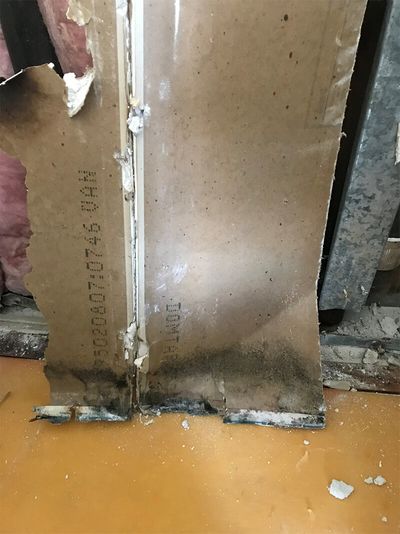
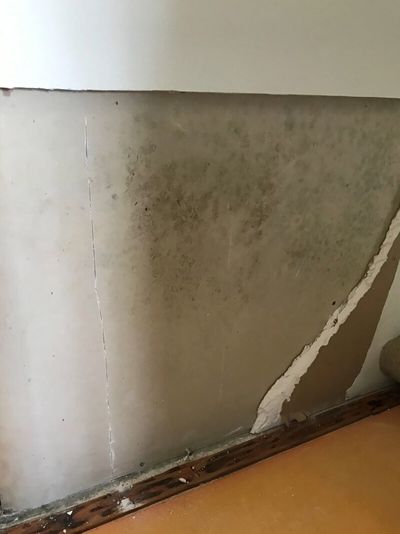
Following the recent devastating torrential rains and mudslides across Honolulu and surrounding areas, homes are at an extreme risk for rapid toxic mold growth. Floodwaters and mudslides introduce Category 3 "Black Water"—a highly contaminated mix of soil, bacteria, and toxins. When this moisture saturates Hawaii’s unique single-wall or post-and-pier homes, mold colonies can establish deep within wall cavities and under floorboards in as little as 24 to 48 hours.
Do not wait for visible mold to appear. If your property was impacted by the recent severe weather, contact us immediately for emergency structural drying and moisture mapping.
The Sick Home Connection: What You Need to Know
Mold plays a natural role outdoors, but inside a home or office, it becomes a dangerous biohazard. In Hawaii, our constant 60%+ humidity, salt air, and volcanic smog (Vog) create a perfect petri dish for microscopic spores to thrive inside hidden structural cavities.
When mold spores land on wet surfaces, they multiply rapidly, destroying building materials and releasing airborne mycotoxins. Living in a "Sick Home" can trigger severe, chronic health issues, including:
Unexplained breathing difficulties and sudden asthma attacks
Persistent runny nose, sneezing, itchy eyes, and skin rashes
Chronic fatigue and lethargy caused by poor indoor air quality
Because mold growth inside air duct systems and walls is often invisible to the naked eye, a professional diagnostic approach is required to protect your health.
1. Advanced Mold Inspection & Diagnostic Testing
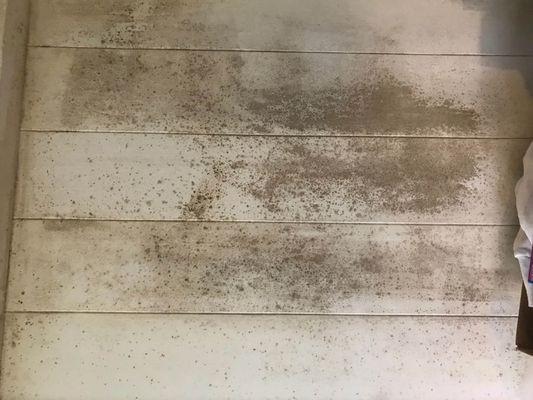
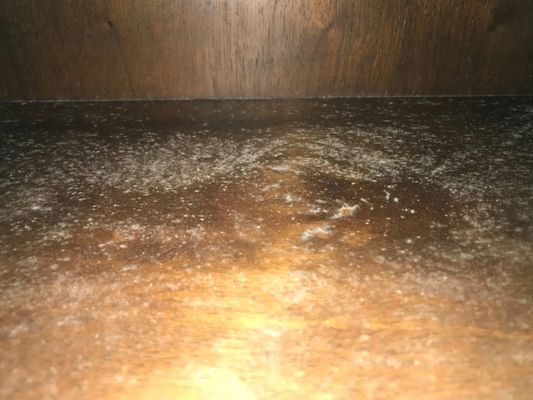
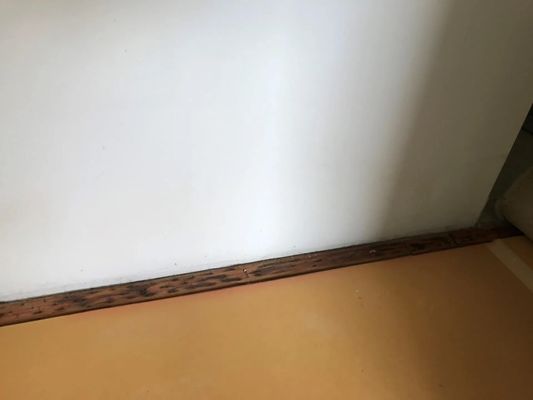
Have you spotted dark spots, smelled a persistent "musty" odor, or noticed family members suffering from unexplained respiratory issues? AirCare Hawaii offers a comprehensive inspection protocol to identify the exact scope of contamination.
We respect your time and urgency. Every inspection begins with a 30-minute, FREE phone consultation scheduled at your convenience, followed by an on-site, forensic evaluation.
Our Diagnostic Inspection Includes:
A Thorough Healthy Home Assessment: A top-to-bottom visual evaluation of all known and suspected problem areas.
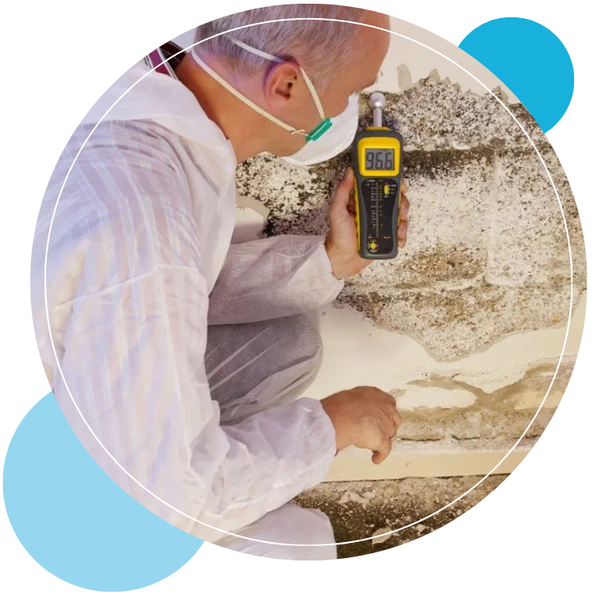
Infrared Thermal Imaging: We utilize advanced FLIR thermography to detect hidden moisture pockets and structural leaks trapped behind drywall without destroying your walls.
Digital Moisture Mapping: Pinpointing the exact moisture saturation levels of structural wood and masonry.
Certified Air & Surface Testing: If no visual mold is observed but a musty odor or health symptoms persist, we conduct professional air sampling. These samples are analyzed by an independent lab to determine the exact spore counts and mold species present in your indoor air environment.
A Transparent, Itemized Estimate: A clear, upfront breakdown of necessary remediation steps if toxic mold is detected.
2. Certified Mold Removal & Remediation
When mold is found, we do not simply scrub it away or cover it up. AirCare Hawaii guarantees professional, certified judgment to safely extract the mold based on the absorbency of the impacted materials and the severity of the growth.
Our Scientific Remediation Protocol:
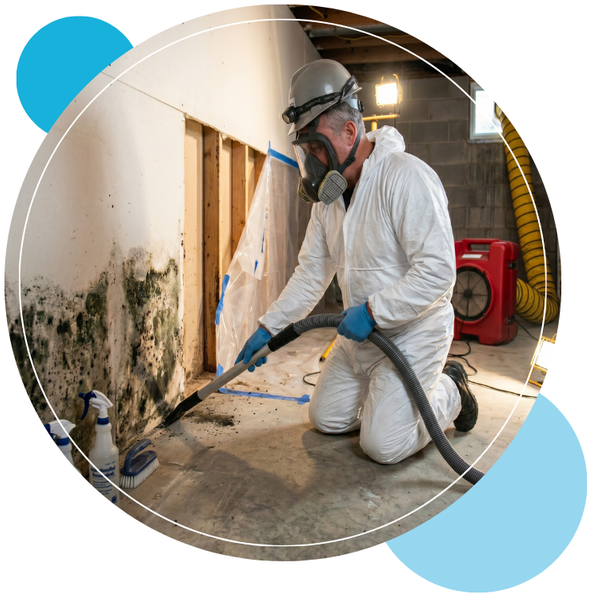
Strict Containment Barriers: We isolate the affected zones using heavy-duty plastic sheeting and commercial air scrubbers equipped with HEPA filtration. This creates negative air pressure, preventing millions of microscopic spores from escaping into the rest of your home during the cleaning process.
IICRC & EPA Standard Compliance: All remediation work strictly adheres to the IICRC S520 Standard for professional mold remediation and EPA guidelines.
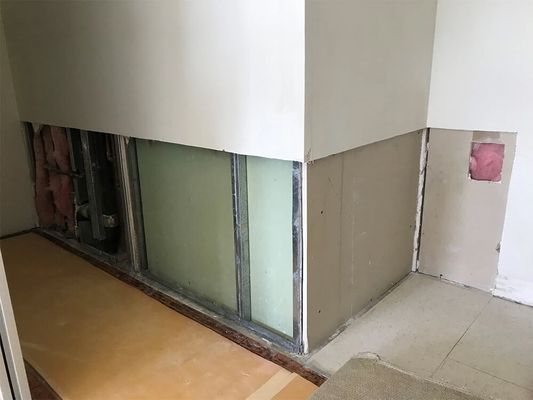
Porous Material Management: We safely remove and dispose of deeply contaminated, highly absorbent materials (like saturated drywall or insulation) and deep-clean semi-porous structural framing using specialized antimicrobial agents.
HVAC & Air Duct Decontamination: Because air duct systems are the primary vector for spreading poor indoor air quality, we thoroughly sanitize your ventilation network to ensure long-term, mold-free air circulation.
Take Control of Your Indoor Air Quality Today
Whether you are dealing with structural water damage from the recent Oahu mudslides or a chronic, hidden moisture problem on the Windward side, you cannot afford to wait. The longer mold grows, the more severe the structural damage and health risks become.
Partner with Hawaii's trusted environmental diagnostics team to mold-proof your property and restore a clean, healthy breathing environment.